


Visit Us
- Restaurant St, Delicious City,
London 9578, UK - Open: 9.30 am - 2.30pm
- booking@domainame.com
Booking request

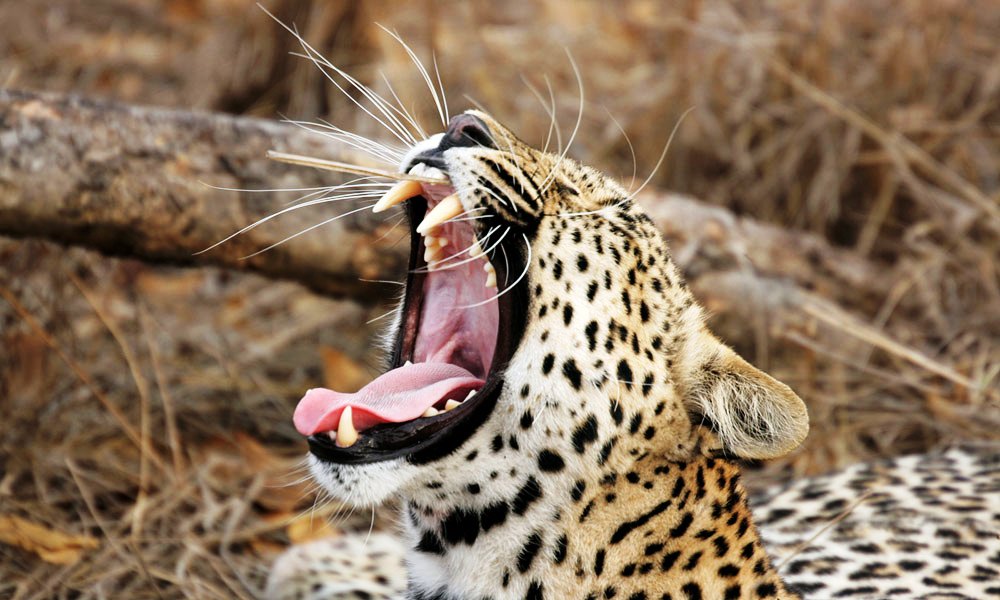
A South African safari should leave you thinking about the wildlife, not wondering whether the details were handled properly.
For affluent Jewish families, that distinction matters. You may have travelled extensively, but a safari introduces a different question: can you experience remote wilderness without spending your holiday managing kosher meals, Shabbat arrangements, transfers, and the small details that normally sit in the back of your mind?
In South Africa, the answer can be remarkably seamless when everything is prepared properly before you arrive.
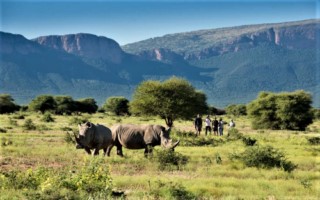
From the private reserves of the Greater Kruger to the rhino country of Hluhluwe–iMfolozi, your days can unfold around the rhythm of the bush rather than a rigid schedule. Private vehicles allow your guide to follow your family's interests, whether that means lingering beside a herd of elephants, tracking leopard through the early morning light, or simply stopping for coffee while the landscape wakes around you.
Kosher dining is planned well in advance rather than improvised in the wilderness. Depending on the itinerary, kosher meat can be sourced from Moishe's Butchery in South Africa, while arrangements may also be coordinated through trusted Jewish resources such as Chabad in Arusha when a wider East African itinerary requires it. Private chefs and lodges can work from the agreed requirements so meals arrive as part of the journey, not as an interruption to it.
For Shabbat, the same philosophy applies. Fresh challah, appropriate kosher provisions, wine, and carefully planned meals are arranged ahead of time, allowing Friday evening to become what it should be: a pause. A beautifully prepared dinner. A conversation around the table. A moment when the bush outside grows quiet and nobody needs to organise tomorrow.
Then the safari takes over.
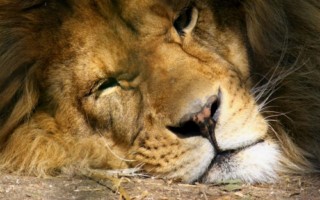
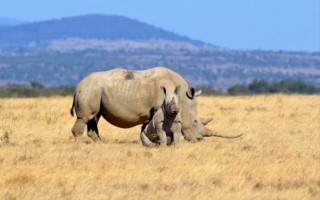
Rhino emerge through golden grass. Elephants cross the road. Lions disappear into the shade.
And your family is simply there to witness it.

Kosher food in Africa is certified by the Beth Din of South Africa which is the Jewish religious court responsible for ensuring that food and other products meet the standards of Jewish dietary laws.
Stainless steel pots and pans are boiled and torched clean between each meal or for a nominal fee new pots, pans, plates, and cutlery/flatware will be supplied and be inspected by you when you check into the safari lodge or camp, or if you prefer you can bring in your own pots & pans. After every use, they are washed in a special designated area. During your stay, you are more than welcome to inspect the kitchen to ensure you are pleased with how your meals are being prepared.
Deluxe Option
At our approved Kosher Safari Lodges, Pareve meals will be prepared fresh on-site by chefs who have been trained in kosher catering, and at your request, kosher milk products as well as kosher meat from a Mehadrin Commission Kosher Butchery will be brought in.
Private & Exclusive
A Mashgiach who is Shomer Shabbat and has completed the Mashgiach kashrut course will be flown into the safari lodge. If the lodge doesn't have a dedicated kosher kitchen, he will set up a temporary separated kitchen with new cooking utensils & equipment as well as import the Kosher approved ingredients including Chalav Yisrael & Mehadrin meat as well as shabbos candles and fragrance for havdalah. He will supervise all the cooking.
If needed we can also get a private Jewish Kosher chef from a recognized kashrut authority to accompany him. Both of them are very involved in the Jewish community in South Africa and work with full permission of their overseeing Rabbi.