

Visit Us
- Restaurant St, Delicious City,
London 9578, UK - Open: 9.30 am - 2.30pm
- booking@domainame.com
Booking request

Kosher Migration Safari – Witness Nature’s Greatest Show, Faithfully
Experience the awe-inspiring drama of the Great Migration with a Kosher Migration Safari a once-in-a-lifetime journey through Tanzania and Kenya that combines Jewish tradition with raw African wilderness. Tailored for observant travelers, this luxury safari ensures Glatt Kosher meals, Shabbat-friendly accommodations, and spiritual comfort without compromise.
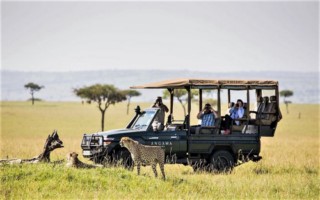
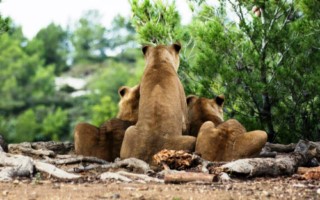
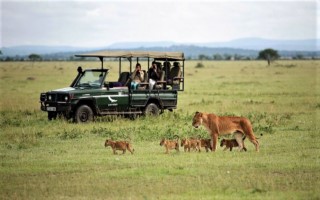
Follow millions of wildebeest and zebras as they thunder across the Serengeti and Masai Mara, pursued by lions, leopards, and crocodiles in one of the world’s most spectacular wildlife spectacles. Enjoy private game drives, expert Jewish-friendly guides, and gourmet kosher cuisine prepared under strict rabbinical supervision.
Highlights include sunrise drives in the Serengeti & Masai Mara, intimate tented camps near migration routes, and serene Shabbat celebrations surrounded by nature. Whether you're crossing the Mara River with migrating herds or watching a cheetah sprint across the plains, every moment connects you to creation and tradition.
Perfect for families, couples, and groups seeking a deeply meaningful adventure, the Kosher Migration Safari blends spiritual integrity with unforgettable wildlife encounters.

Wildebeest Migration Kosher Safari in Masai Mara & Serengeti
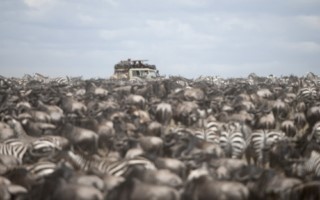
The great wildebeest migration is affectionately called greatest show on earth that takes place in the plains of Masai Mara and the Serengeti. Every year about 1.5 million wildebeest and 200,000 zebra and gazelle attempt to go look for fresh vegetation while they are intensely pursued by some of the most dangerous predators known to man. This amazing pilgrimage is circular and never ending, however the migration is completely dependent on rain. The animals move on the guidance of the rain in order to be able to feed off the new grass and at the same time be near a good supply of water.
Please be advised that the migration is driven primarily by water, grazing, and weather conditions, which basically means that it is not a continuous direct process. You can never really predict with certainty where they will be, the very best you can hope for is plan based on past previous migration behaviours.
Wildebeest Migration Safari Timetable & Best time to visit
December – March
From the months of December to March, the wildebeest and Zebra are found in the southern parts of the Serengeti, Mwiba Private Game Reserve and parts of the Ngorongoro Conservation Area as they feed on the fresh grass. Around February towards mid-March which is generally the calving period they are still in the southern part of Serengeti. The grass here is short and the wildebeest and Zebra can easily spot a predator which makes this area the best for calving.
April – May
During the months of April and May the vegetation is greatly depleted and unable to sustain the masses of herbivores. This forces the herds to start making their way to Grumeti river on the western corridor of the Serengeti.
This period is filled with heavy rain and game viewing during this time is almost next to impossible as the roads tend to become impassable.
June – July
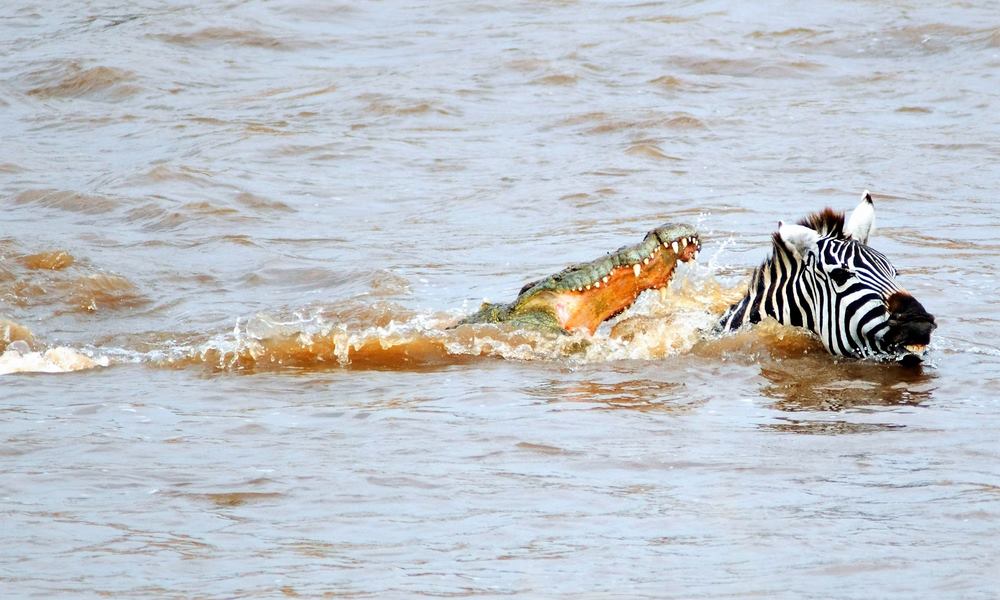
The rains are now over! This prompts the herds to start moving towards the north and try to get to the Grumeti river. This is the place where the action start to intensify as the wildebeest and Zebra need water to drink and the river is one of the few sources of water left while the giant crocodiles lie in wait for them. For an intimate migration experience a stay at the Singita Grumeti reserve is encouraged.
During this period the herds start making their way to the Masai Mara
August – September
The herds reach the Masai Mara and the spectacular crossings begin. This high stakes drama is quite riveting when you are lucky to be in the right position. This generally a good month to be in the Masai Mara however please note that this is all completely dependent on rain, if the rain was little then the animals don’t have a reason to cross
October – December
October is still good in Masai Mara, but in November the animals start the journey back to the Serengeti because of the rainy season that is beginning in Tanzania
To find out how you can get to experience this great event please contact us below